Source Judo Karate Suit for Training, Competition, and Practice
Source 30 judo karate suit options for training, competition, and practice. Compare cotton and PU leather materials, custom logo services, and various sizes to find the right gear for your martial arts needs; compare the available evidence and request quotations based on your requirements.
Key considerations
Products List


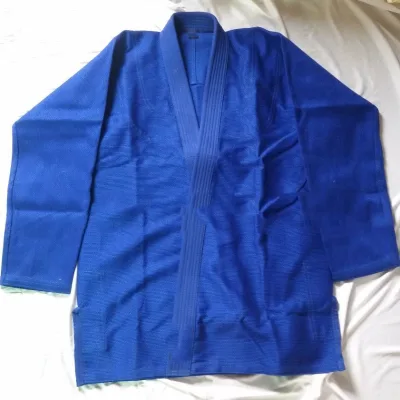
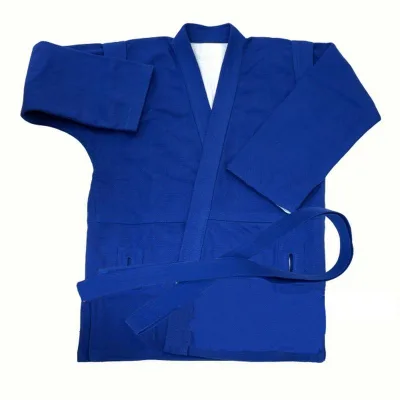
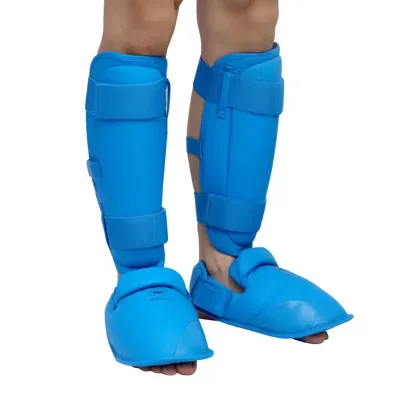


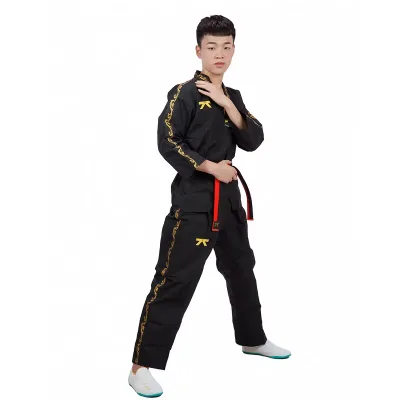
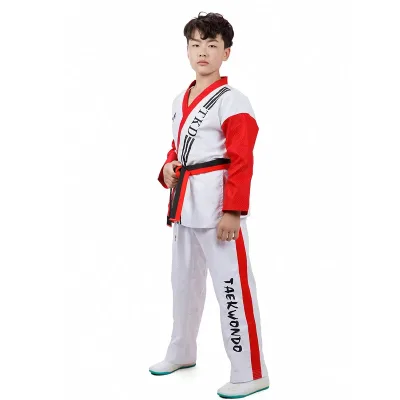
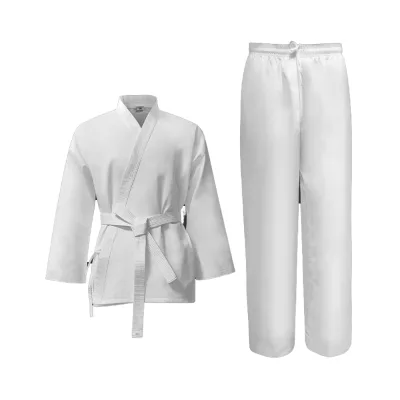
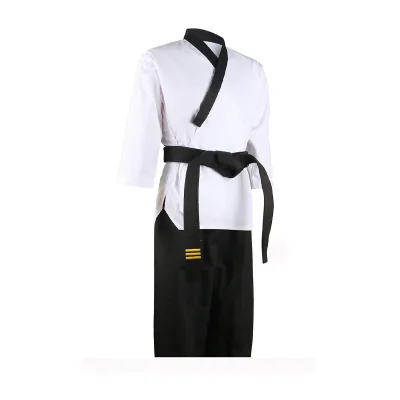
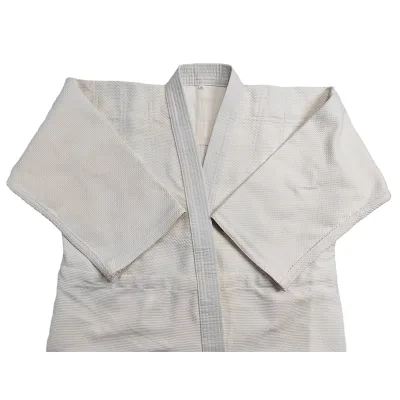
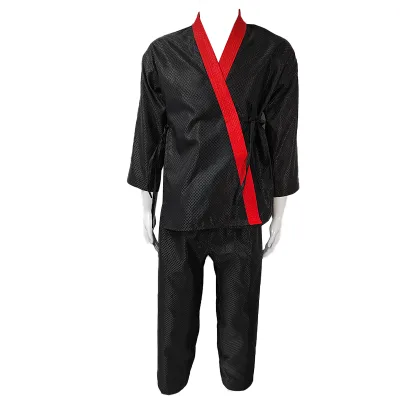
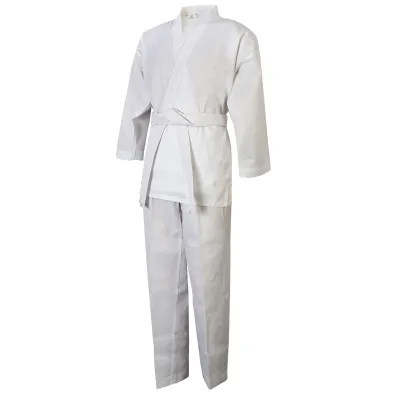

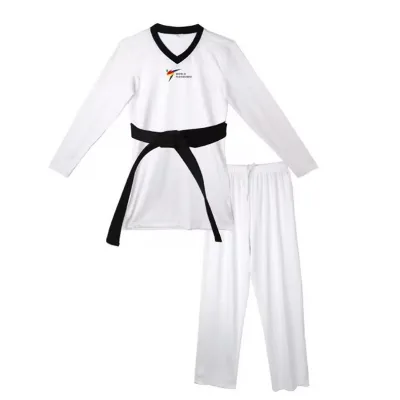
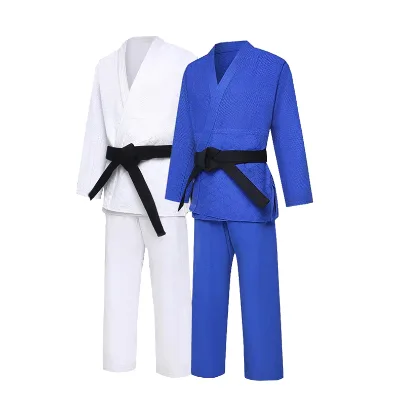
Comprehensive Sourcing Guide
Judo Karate Suit Sourcing Guide
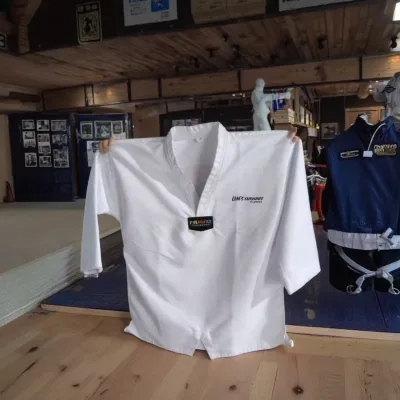
Buyers evaluating this category must first distinguish between traditional cotton uniforms designed for grappling arts and modern synthetic blends intended for striking disciplines. The observed product data indicates a clear split, with specific listings explicitly identifying materials as 100% cotton or thickened cotton for Judo and Taekwondo applications. Conversely, other entries highlight features like rip-stop and moisture-wicking properties, suggesting a different construction logic for Karate or mixed martial arts contexts. Understanding this material divergence is the first critical step in defining the correct product scope for your specific training or competition needs.
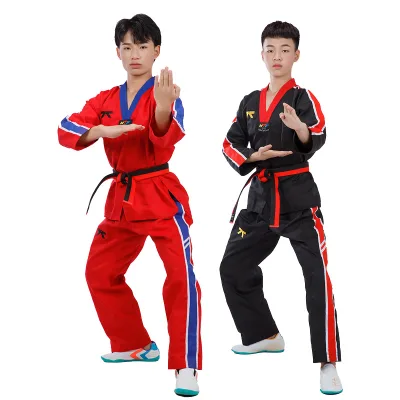
The market signals reveal a diverse range of customization options, including custom logos, special size requests, and color variations such as white or blue. While some listings specify a single item selling unit, others indicate bulk packaging like ten sets per carton, which directly impacts your logistics planning. Procurement teams should verify whether the "All Size Are Available" claims apply to standard grading or require special manufacturing runs. This distinction determines whether you can source immediately from stock or must engage in a longer lead-time production cycle for tailored inventory.
Product Scope and Observed Listing Signals
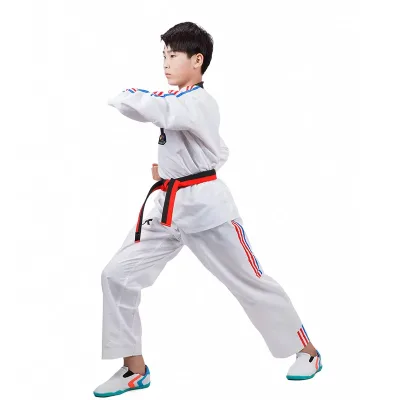
The primary product scope encompasses uniforms for Judo, Taekwondo, and Karate, with some listings covering multiple martial arts styles including Jiu-Jitsu. Buyers should note that specific models like JU-02 and KU-02 are explicitly linked to Judo and Karate respectively, while other entries broadly categorize the item under "Other" martial art styles. This variation suggests that a single supplier may offer a portfolio of distinct uniforms rather than a single universal garment. Procurement strategies must account for these model-specific differences to ensure the selected suit matches the technical requirements of the intended discipline.
Observed listing signals indicate that customization is a dominant feature, with many suppliers offering custom logos and tailored sizing as standard capabilities. The data shows that while some products are described as having a "Logo" pattern, others explicitly state "Custom Logo" availability, implying a higher degree of personalization for brand owners. Additionally, the presence of "OEM ODM" branding suggests that suppliers are equipped to handle private label manufacturing. Buyers must clarify the extent of these customizations early in the inquiry process to avoid misunderstandings regarding design ownership and production complexity.
Technical Specifications to Verify
Material composition is the most critical technical specification, as the data presents conflicting claims ranging from 100% cotton to PU leather and thickened cotton variants. For Judo practitioners, the traditional requirement is heavy, durable cotton to withstand gripping and throwing, whereas Karate suits often prioritize breathability and lightweight construction. Buyers must verify the exact fabric blend for each model number, such as checking if the "100% Thickened cotton" applies to the specific jacket and pants set. Relying on general descriptions without confirming the specific material composition for the ordered model can lead to performance failures during intense training sessions.
Dimensional specifications and construction processes also require rigorous verification against the supplier's actual capabilities. While some listings claim "All size are available," others provide specific weight ranges like 30-290lbs or fixed dimensions such as 30CM30CM5CM for accessories. The production process is noted as "Automatic Cutting," which implies consistency but may limit the ability to handle complex custom cuts without additional setup. Procurement teams should request detailed size charts and confirm whether special size requests incur additional costs or extend the production timeline beyond standard lead times.
Compliance and Safety Documentation
Safety and compliance in martial arts uniforms primarily revolve around material safety and durability standards rather than complex regulatory certifications. The observed product attributes highlight features like "Rip-Stop" and "Durable" construction, which are functional safety claims related to garment longevity under stress. Buyers should request evidence that the cotton or synthetic materials used are free from harmful substances, particularly since these garments are worn directly against the skin for extended periods. Although specific certification names are not listed in the provided data, verifying that the fabric meets general textile safety standards for direct skin contact is essential for B2B procurement.
Documentation regarding the manufacturing origin and quality assurance processes is equally important for establishing supply chain transparency. The data indicates that products originate from China, with specific mentions of Shandong as a place of origin, which may influence shipping logistics and tariff classifications. Buyers should ask for factory audit reports or quality control protocols that verify the "High Quality" claims made in the listings. Ensuring that the supplier maintains consistent quality control during the automatic cutting and sewing processes will mitigate the risk of receiving defective units that fail during competition or rigorous training.
Cost Drivers and Commercial Terms
Minimum Order Quantity (MOQ) is a significant cost driver, with observed ranges spanning from 50 sets to 3000 units depending on the specific product and customization level. Some listings explicitly state that the MOQ is negotiable, offering flexibility for buyers who need smaller initial batches to test the market. However, the variation in MOQs suggests that highly customized items, such as those with specific logos or unique sizes, may carry higher thresholds. Procurement planners must align their inventory forecasts with these MOQ constraints to avoid overstocking or incurring excessive per-unit costs due to small order penalties.
Pricing structures are influenced by material choices, customization complexity, and packaging requirements. The observed price range of 0.8 to 99 USD reflects the vast difference between basic cotton uniforms and specialized, feature-rich suits with advanced fabric technologies. Buyers should clarify whether the quoted price includes the cost of custom logo application, special packaging like individual bags, or if these are line-item add-ons. Understanding the breakdown of these costs is vital for accurate budgeting, especially when negotiating volume discounts that might lower the per-unit price for orders exceeding the standard MOQ.
Supplier Qualification and Quality Control
Supplier qualification should focus on their ability to manage the diverse range of models and customization requests evident in the market data. The presence of multiple model numbers like LT-006, TU-01, and JU-01 indicates that suppliers must have robust production lines capable of switching between different specifications without compromising quality. Buyers should assess the supplier's experience with both traditional cotton weaving and modern synthetic treatments to ensure they can meet the specific technical demands of your target martial art. A supplier's ability to handle "Special Size Request" efficiently is a strong indicator of their operational flexibility and technical competence.
Quality control protocols must be verified to ensure that the "High Quality" claims translate into consistent product performance. The data mentions features like "Breathable" and "Moisture-Wicking," which require specific testing to validate. Buyers should request sample testing results or third-party verification for these performance attributes before placing large orders. Additionally, inspecting the packaging standards, such as the "1set/Bag, 10sets/Carton" configuration, ensures that products arrive in good condition. Establishing a clear quality acceptance criteria based on these observed features will help maintain the integrity of your brand reputation.
Long-Term Procurement Checks
Long-term procurement success depends on the supplier's ability to maintain consistent quality and availability over the product's service life. The observed service life of 1-4 years suggests that durability is a key expectation, and buyers should monitor wear patterns in their initial orders to validate these claims. Regular quality audits should be scheduled to ensure that the "100% Cotton" or "Thickened Cotton" materials do not degrade faster than anticipated under normal training conditions. Consistent performance over time is essential for maintaining trust with end-users who rely on these uniforms for safety and comfort.
Supply chain stability and the ability to scale production are critical factors for long-term partnerships. The data indicates that quantities can be negotiated, but buyers must confirm the supplier's capacity to handle increased volumes without compromising lead times or quality. Establishing a clear communication channel for future design updates or seasonal color changes, such as the availability of blue or red options, ensures that the product line remains relevant. Regular reviews of the supplier's performance against the agreed-upon specifications will help identify any potential issues early and foster a resilient, collaborative business relationship.
FAQs
What materials are used for judo karate suits?
The suits are primarily made from 100% thickened cotton or standard cotton fabrics. Some variations utilize PU leather for specific components. These materials ensure durability and comfort during intense training sessions or competitive matches. The fabric choices support breathability and moisture-wicking properties essential for martial arts practice.
Can I customize the logo on the judo karate suit?
Yes, custom logos are available for these martial arts uniforms. Buyers can request specific branding to be applied to the jacket or pants. This customization service allows clubs and organizations to maintain their unique identity. The process supports various design requirements to meet specific team or school standards effectively.
What is the minimum order quantity for these suits?
The minimum order quantity typically starts at 50 sets, though some listings indicate 150 sets. These figures are negotiable depending on the supplier and specific product model. Buyers can discuss volume discounts or adjusted quantities to suit their procurement needs. Flexible MOQ terms help accommodate both small clubs and large organizations.
Which martial arts styles are these suits designed for?
These uniforms are designed for multiple styles including Judo, Taekwondo, Karate, and Jiu-Jitsu. The unisex style ensures versatility for various practitioners. Specific models like JU-02 or KU-01 cater to distinct requirements of each discipline. This adaptability makes them suitable for comprehensive training programs across different martial arts disciplines.
Are special sizes available for the judo karate suit?
Yes, all standard sizes are available, and special size requests can be accommodated. The product standard explicitly allows for custom sizing to fit individual body types. This flexibility ensures a proper fit for athletes of varying heights and weights. Buyers can specify exact measurements to receive tailored uniforms that meet precise performance and comfort needs.
What features do these martial arts uniforms offer?
The suits feature rip-stop fabric, moisture-wicking capabilities, and breathability. These attributes enhance durability and comfort during rigorous physical activity. Some models are described as ultralight and durable. The design prioritizes functional performance, allowing unrestricted movement while maintaining structural integrity throughout extended training sessions or competitions.